


Quick Summary
This roulette strategy beginner guide winning probability resource explains how roulette works, which bets give beginners the best balance of risk and reward, why European and French wheels are usually smarter than American wheels, and how bankroll discipline matters more than betting systems. Roulette is a negative-expectation game, so no system can guarantee profit, but understanding probabilities, RTP, volatility, and table rules can help you play more intelligently in 2026.
| Game Type | Casino table game based on wheel outcomes |
|---|---|
| Best Version for Beginners | French roulette with La Partage or European roulette |
| European Roulette RTP | 97.30% |
| American Roulette RTP | 94.74% |
| Lowest Common House Edge | 1.35% on eligible French even-money bets with La Partage |
| Highest Standard Payout | 35:1 on a straight-up single-number bet |
| Main Beginner Risk | Overbetting, chasing losses, and misunderstanding random outcomes |
Overview: Roulette Strategy Beginner Guide Winning Probability
Roulette is one of the easiest casino games to understand and one of the hardest to beat. The dealer spins a wheel, a ball lands in a pocket, and winning bets are paid according to fixed odds. That simplicity is why a roulette strategy beginner guide winning probability approach is useful: beginners do not need complex tactics, but they do need clear expectations.
The most important truth is that roulette outcomes are independent. A red result does not make black more likely next time, and a number that has not appeared recently is not due. Every spin resets the probability. A strong roulette strategy beginner guide winning probability mindset accepts this and focuses on bet selection, wheel choice, session limits, and understanding the house edge.
In 2026, players can choose between land-based roulette, online RNG roulette, and live dealer roulette. The rules may look similar, but the mathematical value can change dramatically. A single-zero wheel is usually much better than a double-zero wheel, and a French table with La Partage can be better still. For beginners, choosing the right version is the first strategic decision.
How to Play Roulette
The Wheel and the Table Layout
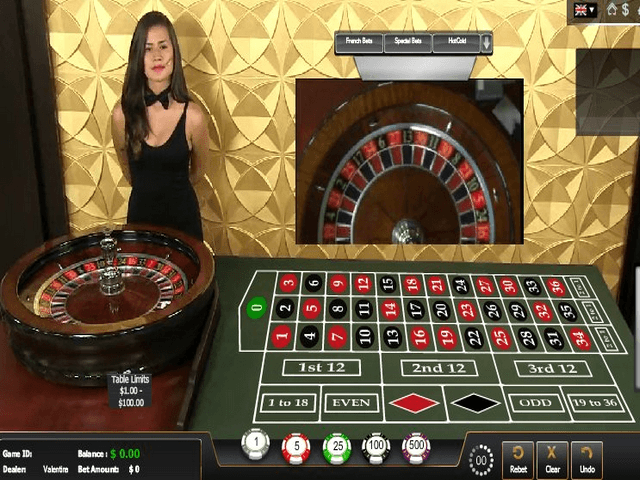
European roulette has 37 pockets: numbers 1 to 36 plus one green zero. American roulette has 38 pockets: numbers 1 to 36, a zero, and a double zero. French roulette usually uses the European single-zero wheel but may add player-friendly rules on even-money bets. This difference matters because the extra double zero increases the casino advantage.
The betting layout is split into inside bets and outside bets. Inside bets are placed on specific numbers or small groups of numbers. Outside bets cover larger groups, such as red or black, odd or even, high or low, dozens, and columns. A beginner using a roulette strategy beginner guide winning probability plan should understand that larger coverage means more frequent hits but smaller payouts.
Inside Bets
Inside bets are exciting because they can pay more, but they are volatile. A straight-up bet covers one number and pays 35:1. On a European wheel, the chance of hitting one exact number is 1 in 37, or about 2.70%. A split bet covers two numbers and pays 17:1. A street covers three numbers and pays 11:1. A corner covers four numbers and pays 8:1. A six-line bet covers six numbers and pays 5:1.
These payouts look attractive, but they do not remove the house edge. The payout is slightly less than the true odds would require in a fair game. That shortfall is where the casino profit comes from. This is why a realistic roulette strategy beginner guide winning probability method treats inside bets as high-variance entertainment, not as a reliable income tool.
Outside Bets
Outside bets are simpler and more suitable for many beginners. Red or black, odd or even, and high or low all pay 1:1. On a European wheel, each of these covers 18 numbers, giving a win probability of 18 out of 37, or about 48.65%. On an American wheel, the probability is 18 out of 38, or about 47.37%.
Dozens and columns each cover 12 numbers and pay 2:1. On a European wheel, the chance is 12 out of 37, or about 32.43%. On an American wheel, it is 12 out of 38, or about 31.58%. Outside bets produce smoother sessions, but they still carry negative expectation. A roulette strategy beginner guide winning probability framework helps players see that lower volatility does not mean guaranteed safety.
RTP/Volatility: Understanding the Math
RTP and House Edge
Return to Player, or RTP, is the theoretical percentage returned to players over a very large number of spins. European roulette has an RTP of 97.30%, meaning the house edge is 2.70%. American roulette has an RTP of 94.74%, with a house edge of 5.26%. French roulette with La Partage on even-money bets can reduce the effective house edge to 1.35% on qualifying wagers.
This does not mean you will lose exactly 2.70% in one session. Short-term results can swing wildly. You might win quickly, lose quickly, or hover near even. RTP is a long-run measure. A good roulette strategy beginner guide winning probability explanation separates short-term luck from long-term expectation.
Probability by Common Bet Type
On a European wheel, a straight-up number has a 2.70% probability and pays 35:1. A split has a 5.41% probability and pays 17:1. A street has an 8.11% probability and pays 11:1. A corner has a 10.81% probability and pays 8:1. A six-line has a 16.22% probability and pays 5:1. Dozens and columns win 32.43% of the time and pay 2:1. Even-money bets win 48.65% of the time and pay 1:1.
These numbers are the foundation of any roulette strategy beginner guide winning probability discussion. The payout table is easy to memorize, but the hidden lesson is that every standard bet on the same wheel has the same house edge unless special rules apply. A straight-up bet is not mathematically worse than red or black on a European wheel; it is simply more volatile.
Volatility and Bankroll Swings
Volatility describes how uneven results can be. Straight-up betting can produce long losing streaks followed by a large win. Even-money betting produces more frequent wins but smaller returns. If you have a small bankroll, high-volatility betting can end your session quickly. If you prefer longer play, outside bets and smaller unit sizes are usually more comfortable.
A practical roulette strategy beginner guide winning probability plan starts by dividing your bankroll into units. For example, if your session bankroll is 100 units, betting 1 or 2 units per spin gives you more time to absorb variance. Betting 10 or 20 units per spin can create fast results, but it also increases the chance of a short session.
Beginner Roulette Strategies That Manage Risk
Flat Betting
Flat betting means wagering the same amount each spin. It is the simplest and often the most sensible beginner method. If your unit is $1, you bet $1 every time. This approach does not promise profit, but it prevents emotional bet escalation. For many players, flat betting is the cleanest roulette strategy beginner guide winning probability technique because it keeps the math transparent.
Martingale
The Martingale system doubles the bet after each loss on an even-money wager. If you lose $1, you bet $2. If you lose again, you bet $4, then $8, and so on. The idea is that one win recovers previous losses plus one unit of profit. The danger is obvious: losing streaks grow the required stake very quickly. Table limits and bankroll limits can break the system.
Beginners often like Martingale because it feels logical, but it does not change the underlying probability. A roulette strategy beginner guide winning probability analysis shows that Martingale trades many small wins for occasional large losses. It can be entertaining if used with strict limits, but it should never be treated as a guaranteed strategy.
Fibonacci
The Fibonacci progression uses the sequence 1, 1, 2, 3, 5, 8, 13, and so on. After a loss, you move one step forward. After a win, you move two steps back. It is less aggressive than Martingale but still increases stakes after losses. The risk is that a long losing run can still push bets beyond your comfort zone.
D’Alembert
The D’Alembert method increases the bet by one unit after a loss and decreases it by one unit after a win. It is slower than Martingale and easier to manage. However, like all progressions, it cannot overcome the house edge. The best use of this system is structure, not prediction.
James Bond Style Coverage
The James Bond-style approach spreads bets across many numbers, commonly covering 19 to 36, a six-line, and zero. It creates frequent partial coverage but requires a larger stake per spin. It can feel safer because many outcomes are covered, yet uncovered results can still cause meaningful losses. A balanced roulette strategy beginner guide winning probability view recognizes that coverage changes hit frequency, not the casino advantage.
Bonus Features and Modern Roulette Variants
Live Dealer Roulette
Live dealer roulette streams a real wheel and dealer to your device. It combines convenience with the atmosphere of a physical casino. For beginners, it is important to check the wheel type, minimum bet, betting timer, and whether the game uses European, American, or French rules.
Multiplier Roulette
Modern roulette variants may add random multipliers to selected straight-up numbers. These games can offer payouts far above 35:1, sometimes in exchange for reduced base payouts or altered RTP. They are exciting but often more volatile. If you are using a roulette strategy beginner guide winning probability plan, read the paytable before playing any multiplier version.
Online Bonuses and Cashback
Some casinos offer table-game promotions, cashback, or loyalty rewards. These can slightly improve your effective return, but wagering requirements and contribution rates matter. Roulette may contribute less than slots toward bonus clearing. Always read the terms before assuming a promotion gives real value.
Practical Tips for Smarter 2026 Play
Choose the Best Wheel Available
If you can choose between European and American roulette, choose European. If French roulette with La Partage is available, it may be the strongest option for even-money bettors. This single decision can matter more than any betting pattern.
Set Loss Limits and Win Targets
Decide your maximum loss before the session starts. Also decide when you will lock in a win. A realistic roulette strategy beginner guide winning probability routine might include stopping after losing 30% to 50% of your session bankroll or after reaching a predetermined profit target.
Avoid the Gambler’s Fallacy
Roulette history boards can be fun, but they can also mislead players. Ten black results in a row do not make red more likely on the next spin. Hot and cold numbers are records of the past, not forecasts of the future. Treat every spin as independent.
Play for Entertainment, Not Income
Roulette can be elegant, social, and exciting, but it is not a dependable way to make money. The best players are not those who chase every loss; they are the ones who understand the odds, control their stakes, and stop at the right time. That is the real value of a roulette strategy beginner guide winning probability approach.
FAQ
Q: What is the best roulette strategy for beginners?
Q: Can a roulette strategy guarantee winning probability?
Q: Is European roulette better than American roulette?
Q: Are inside bets or outside bets better?
Q: Do hot and cold numbers help predict roulette?
Final Verdict
The strongest roulette strategy beginner guide winning probability lesson is simple: choose a low-house-edge version, know the probability of each bet, keep your stake size small, and never confuse a betting system with an advantage. Roulette is random, but your decisions around game selection, bankroll control, and discipline are not. In 2026, the smartest beginner is the player who treats roulette as paid entertainment and uses probability knowledge to make every spin more informed.













One response to “roulette strategy beginner guide winning probability”
Editorial Review: This guide has been reviewed by the editorial team for clarity, practical value, mobile usability, payment safety, and safer decision-making.