


Quick Summary
This winning probability roulette strategy beginner guide explains the real odds behind roulette, how European, French, and American wheels differ, which bets create lower or higher volatility, and how beginners can use disciplined staking without believing any system can beat the house edge. In 2026, the smartest roulette approach is simple: choose the best wheel, understand probability, manage bankroll limits, and treat every spin as independent.
- Best beginner wheel: European or French roulette, not American roulette.
- Lowest house edge: French roulette with La Partage or En Prison on even-money bets.
- Best beginner bets: even-money outside bets such as red/black, odd/even, and high/low.
- Main warning: betting systems manage risk, but they do not change mathematical expected value.
| Topic | Beginner-Friendly Answer |
|---|---|
| Game type | Pure chance casino table game using a numbered wheel and betting layout |
| Best version | French roulette or European roulette |
| European RTP | 97.30% theoretical return to player |
| American RTP | 94.74% theoretical return to player |
| French roulette RTP | Up to 98.65% on even-money bets with La Partage |
| Lowest volatility bets | Red/black, odd/even, high/low |
| Highest volatility bet | Straight-up single number |
| Core skill | Bankroll control, bet selection, and emotional discipline |
Overview: What This Roulette Guide Really Teaches
A strong winning probability roulette strategy beginner guide must start with one honest fact: roulette is not a beatable skill game in the same way blackjack can be. You cannot count cards, influence a properly regulated wheel, or identify a guaranteed number pattern. What you can do is choose better rules, avoid expensive variants, understand bet probability, and control how quickly your bankroll is exposed to variance.
The purpose of this winning probability roulette strategy beginner guide is to replace myths with practical decision-making. Many new players arrive at the table looking for hot numbers, secret dealer signatures, or betting progressions that promise automatic recovery after losses. Those ideas are attractive because roulette looks simple, but the math is fixed. Each spin is independent, and every standard bet carries a built-in casino advantage.
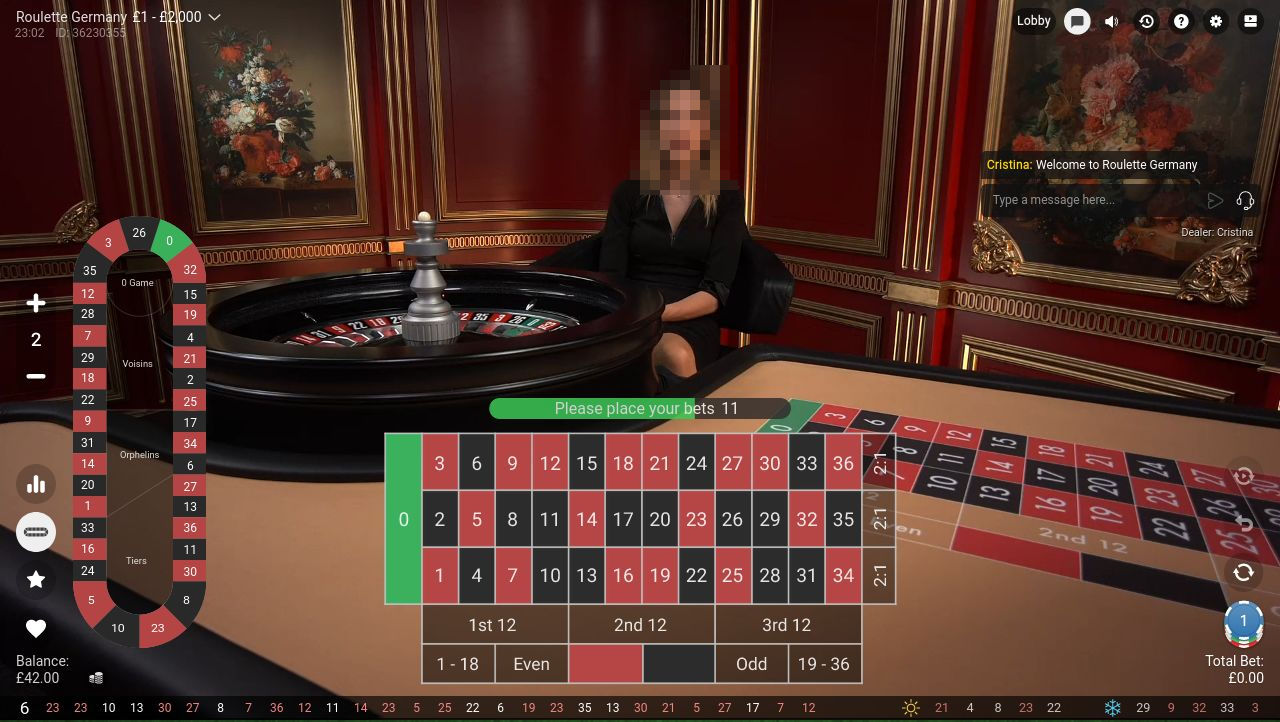
Roulette has three main wheel formats. European roulette has 37 pockets: numbers 1 to 36 plus one zero. American roulette has 38 pockets: numbers 1 to 36 plus zero and double zero. French roulette normally uses the same single-zero wheel as European roulette, but it may add player-friendly rules such as La Partage or En Prison. Because the extra double zero almost doubles the house edge, the first rule in any winning probability roulette strategy beginner guide is to avoid American roulette when a single-zero game is available.
In European roulette, a straight-up number has a 1 in 37 chance of landing, or about 2.70%. An even-money bet such as red has 18 winning numbers out of 37, or about 48.65%. That missing percentage is the green zero, which is why the house edge exists. In American roulette, the same red bet still has 18 winning numbers, but now there are 38 total pockets, reducing the chance to about 47.37% and increasing the house edge to 5.26%.
How to Play Roulette as a Beginner
Step 1: Choose the Right Table
The most valuable move in this winning probability roulette strategy beginner guide happens before you place a chip. Select French roulette first if La Partage or En Prison is offered. Choose European roulette second. Avoid American roulette unless you are playing only for entertainment and fully accept the higher cost. The difference may look small over a few spins, but over hundreds of spins it can strongly affect bankroll survival.
Also check the table minimum and maximum. A low minimum table gives beginners more room to learn. If your bankroll is $100, a $1 or $2 table is far more forgiving than a $10 table. Good roulette bankroll management means each spin should risk only a small percentage of your total session budget.
Step 2: Learn Outside Bets
Outside bets are the easiest starting point. They cover larger sections of the wheel and pay smaller amounts. Red/black, odd/even, and high/low pay 1:1. Dozens and columns pay 2:1. These bets are central to any winning probability roulette strategy beginner guide because they reduce volatility and create more frequent wins, even though they still keep the same long-term house edge on a standard European wheel.
Even-money bets are not safer because they beat the casino; they are safer because losing streaks are usually less severe than with single-number betting. A beginner who bets only straight-up numbers may wait a long time between wins. A beginner who uses outside bets receives more feedback, more playtime, and less emotional pressure.
Step 3: Understand Inside Bets
Inside bets are placed on specific numbers or small number groups. A straight-up bet covers one number and pays 35:1. A split covers two numbers and pays 17:1. A street covers three numbers and pays 11:1. A corner covers four numbers and pays 8:1. A six-line covers six numbers and pays 5:1. This winning probability roulette strategy beginner guide recommends using inside bets sparingly at first because their volatility can drain a small bankroll quickly.
Inside bets are exciting because the payouts are larger, but the probability of a win is lower. For example, a single-number hit on a European wheel occurs only 2.70% of the time in theory. That means long dry spells are normal, not unlucky. If you enjoy inside betting, consider using tiny units and treating them as entertainment overlays rather than the foundation of your plan.
Step 4: Set a Session Structure
A practical winning probability roulette strategy beginner guide should include a clear session plan. Decide your bankroll, base unit, stop-loss, and win goal before the first spin. For example, a beginner might bring 50 units, bet one unit per spin, stop after losing 20 units, and cash out after gaining 15 units. These limits do not change the odds, but they prevent emotional chasing.
Chasing losses is the biggest beginner mistake. Roulette moves quickly, especially online and in live dealer studios. Without limits, one losing sequence can lead to oversized bets and poor decisions. Discipline is more important than prediction.
Bonus Features, Variants, and Modern Roulette Options
Live Dealer Roulette
Live dealer roulette streams a real wheel from a studio or casino floor. It is popular in 2026 because it combines physical wheel action with online convenience. Many live tables show statistics such as recent results, hot numbers, cold numbers, and neighbor sections. This winning probability roulette strategy beginner guide treats those displays as information, not prediction tools. Past results do not force future outcomes.
If a number has not appeared for 100 spins, it is not due. If red has landed six times in a row, black is not guaranteed next. This is the gambler’s fallacy: the false belief that independent random events must balance out immediately. Long-term probability balances only across very large samples, not on demand.
Multiplier Roulette
Some modern roulette games add random multipliers to selected straight-up numbers. These titles can offer boosted payouts far above standard roulette, but they often reduce the normal payout for non-multiplied straight-up wins. That trade-off increases volatility. A responsible winning probability roulette strategy beginner guide should warn beginners that bigger advertised prizes usually come with longer losing stretches or a modified paytable.
Multiplier roulette can be fun for players who want slot-style excitement, but it is not the best learning format. Beginners should first understand classic roulette odds before moving into lightning, quantum, or other enhanced versions.
Online Casino Bonuses
Casino bonuses can extend playtime, but roulette often contributes less than slots toward wagering requirements. Always read the terms. A deposit bonus with 40x wagering may not be useful if roulette contributes only 10% or is excluded. This winning probability roulette strategy beginner guide recommends treating bonuses as secondary value, not as a reason to play at a poor wheel or accept unfair rules.
Look for transparent licensing, clear withdrawal policies, reasonable table limits, and published RTP information. A good bonus cannot compensate for bad bankroll management or a high house edge.
RTP/Volatility: The Math Behind Winning Probability
House Edge and RTP Explained
Return to player, or RTP, is the theoretical percentage of wagered money a game returns over the long run. European roulette has an RTP of 97.30%, which means the house edge is 2.70%. American roulette has an RTP of 94.74%, leaving a 5.26% house edge. French roulette with La Partage can improve even-money bet RTP to 98.65%, making it one of the best roulette options available.
This winning probability roulette strategy beginner guide emphasizes that RTP is a long-term average, not a session guarantee. You can win in a short session on a higher-edge game and lose quickly on a lower-edge game. However, if your goal is to make mathematically sound decisions, lower house edge is always better.
Probability by Bet Type
On a European wheel, red/black, odd/even, and high/low each win 18 out of 37 times, or 48.65%. Dozens and columns win 12 out of 37 times, or 32.43%. Six-line bets win 6 out of 37 times, or 16.22%. Corner bets win 4 out of 37 times, or 10.81%. Split bets win 2 out of 37 times, or 5.41%. Straight-up bets win 1 out of 37 times, or 2.70%.
A balanced winning probability roulette strategy beginner guide does not say one bet is magically superior on a European table, because most standard bets share the same house edge. The difference is volatility. Outside bets produce more frequent but smaller wins. Inside bets produce rarer but larger wins. Your best choice depends on bankroll size, patience, and entertainment preference.
Beginner Betting Systems: Useful or Dangerous?
The Martingale is the most famous roulette system: double your even-money bet after every loss, then return to the base unit after a win. It looks logical, but table limits and bankroll limits make it risky. A sequence of losses can require very large bets just to recover one unit of profit.
The D’Alembert system is slower. You increase by one unit after a loss and decrease by one unit after a win. The Fibonacci system follows a number sequence and moves back after wins. Flat betting keeps every stake the same. In this winning probability roulette strategy beginner guide, flat betting is the most beginner-friendly method because it is simple, transparent, and less likely to trigger panic betting.
No progression changes the probability of the next spin. Betting systems can organize your play, but they cannot remove the zero, improve payouts, or reverse expected value. Use them only as staking frameworks, not as profit machines.
Beginner Strategy Blueprint for 2026
A Simple Low-Volatility Plan
Here is a practical winning probability roulette strategy beginner guide blueprint for a cautious player. Choose French or European roulette. Bring 50 betting units. Bet one unit on an even-money outside option such as red/black or odd/even. Do not increase after losses. Stop if you lose 20 units. Consider leaving if you gain 10 to 15 units. This plan prioritizes learning, entertainment time, and risk control.
If you want a little more excitement, reserve one small side unit every few spins for a corner or six-line bet. Do not let side bets become your main exposure. The goal is to understand the wheel while keeping the session affordable.
Common Mistakes to Avoid
Beginners often make the same errors: playing double-zero wheels, betting too much per spin, trusting hot and cold number charts, using the Martingale without enough bankroll, and ignoring table limits. A winning probability roulette strategy beginner guide is most valuable when it helps you avoid expensive habits before they form.
Another mistake is confusing short-term luck with skill. Winning three sessions in a row does not prove a system works. Losing after making correct choices does not mean the strategy failed. In roulette, good play means making decisions that reduce unnecessary disadvantage while accepting that outcomes remain random.
FAQ
Q: Can a winning probability roulette strategy beginner guide guarantee profit?
Q: What is the best roulette version for beginners?
Q: Are hot and cold numbers useful?
Q: Which roulette bet has the highest winning probability?
Q: What is the safest staking method for a new player?
Final Verdict
The best winning probability roulette strategy beginner guide is not about predicting the impossible. It is about making smarter choices before and during play. Choose single-zero roulette, prefer French rules when available, use outside bets while learning, keep stakes small, and set firm stop limits. In 2026, roulette remains elegant, fast, and exciting, but the players who last longest are those who respect probability rather than fight it.
If you remember one lesson from this winning probability roulette strategy beginner guide, make it this: roulette strategy is risk management, not outcome control. Play for entertainment, protect your bankroll, and never risk money you cannot afford to lose.













One response to “winning probability roulette strategy beginner guide”
Editorial Review: This guide has been reviewed by the editorial team for clarity, practical value, mobile usability, payment safety, and safer decision-making.