


Quick Summary
This roulette strategy winning probability beginner guide explains the real math behind roulette, how each bet works, which wheel gives beginners the best odds, and why bankroll control matters more than any betting system. The short version: choose European or French roulette when available, understand that every spin is independent, use smaller outside bets while learning, and never believe a progression can remove the house edge.
- Best beginner wheel: European roulette with one zero, or French roulette with La Partage on even-money bets.
- Highest risk bet: straight-up single number, paying 35:1 but hitting rarely.
- Lowest complexity bets: red/black, odd/even, and high/low.
- Most important rule: roulette is entertainment, not a reliable income method.
roulette strategy winning probability beginner guide
Roulette is one of the easiest casino games to understand at first glance: a ball spins, lands in a numbered pocket, and winning bets are paid. Yet beneath that simple visual experience is a precise probability structure that every new player should know. This roulette strategy winning probability beginner guide is designed for beginners who want clear, practical, and mathematically honest advice before they risk real money.
The most important idea is that roulette is a negative-expectation game. That does not mean you cannot win a session; it means the payout table is built so the casino keeps a small mathematical advantage over a large number of spins. A good roulette strategy winning probability beginner guide does not promise guaranteed profit. Instead, it helps you choose better versions of the game, understand bet probabilities, manage volatility, and avoid common beginner mistakes such as chasing losses or overusing aggressive systems.
| Key Facts | |
|---|---|
| Game type | Pure chance casino table game |
| Best standard version | European roulette with a single zero |
| European roulette RTP | 97.30% |
| American roulette RTP | 94.74% |
| French roulette even-money RTP with La Partage | Up to 98.65% on qualifying bets |
| Even-money win probability on European wheel | 18 winning pockets out of 37, or about 48.65% |
| Straight-up win probability on European wheel | 1 winning pocket out of 37, or about 2.70% |
| Core beginner principle | Lower house edge plus controlled bet sizing |
Overview: What Beginners Must Know First
A reliable roulette strategy winning probability beginner guide begins with the wheel. European roulette has numbers 1 to 36 plus a single zero. American roulette adds a double zero, creating 38 pockets instead of 37. That extra pocket may look harmless, but it almost doubles the house edge. For a beginner, choosing European roulette instead of American roulette is one of the biggest strategic decisions available.
Every roulette spin is an independent event. The wheel has no memory. If red has appeared six times in a row, black is not “due.” If number 17 has not landed all night, it is not becoming more likely on the next spin. Hot numbers, cold numbers, dealer signatures, and streak charts may be entertaining, but they do not change the probability of a fair, regulated wheel.
This is why the best roulette strategy winning probability beginner guide focuses on expected value, variance, bankroll limits, and game selection. You cannot control where the ball lands, but you can control how much you stake, which bets you make, how long you play, and when you stop.
European vs American vs French Roulette
European roulette is usually the default recommendation because the single-zero layout gives a 2.70% house edge. American roulette carries a 5.26% house edge because of the double zero. French roulette uses the same single-zero wheel as European roulette, but may add player-friendly rules such as La Partage or En Prison. These rules apply to even-money bets when zero lands, reducing the effective house edge on those bets.
For anyone reading a roulette strategy winning probability beginner guide before playing online or in a casino, the practical rule is simple: avoid double-zero wheels unless you are playing purely for novelty. The double zero gives you no meaningful strategic advantage, but it increases the casino’s long-term edge.
How to Play Roulette
Roulette starts with players placing chips on the betting layout. After bets are closed, the dealer or live game system spins the wheel and releases the ball in the opposite direction. When the ball settles into a pocket, all losing bets are cleared and winning bets are paid according to the payout table.
A roulette strategy winning probability beginner guide should separate roulette bets into two major groups: inside bets and outside bets. Inside bets are placed on specific numbers or small groups of numbers. Outside bets cover larger groups, such as red or black, odd or even, high or low, dozens, and columns.
Inside Bets
Inside bets include straight-up, split, street, corner, five-number bet on American tables, and six-line bets. A straight-up bet covers one number and pays 35:1. On a European wheel, it has only a 1 in 37 chance of winning. A split covers two numbers, a street covers three, a corner covers four, and a six-line covers six. These bets offer higher payouts but higher volatility.
If you are using this roulette strategy winning probability beginner guide as a practical starting point, understand that inside bets can create exciting wins but also long losing stretches. They are better treated as small entertainment bets than as the foundation of a beginner bankroll plan.
Outside Bets
Outside bets are easier for beginners because they win more often. Red/black, odd/even, and high/low are called even-money bets because they pay 1:1. Dozens and columns pay 2:1 and cover 12 numbers each. On a European wheel, an even-money bet wins on 18 of 37 pockets, or about 48.65% of the time. The zero is what prevents the probability from being a true 50%.
The beginner-friendly value of outside bets is not that they beat roulette. They do not. Their value is that they reduce short-term volatility. A careful roulette strategy winning probability beginner guide recommends outside bets for learning the rhythm of the game, practicing bankroll discipline, and avoiding rapid balance swings.
Simple Step-by-Step Beginner Plan
- Choose a European or French table whenever possible.
- Set a fixed session bankroll before the first spin.
- Divide that bankroll into at least 40 to 100 small units.
- Start with outside bets while learning payouts and pace.
- Use optional inside bets sparingly for entertainment.
- Set a win goal and loss limit before playing.
- Stop when either limit is reached.
This roulette strategy winning probability beginner guide favors structure over superstition. A written plan is more useful than guessing based on streaks because it protects you from emotional betting.
Bonus Features and Modern Roulette Variants
Classic roulette has no bonus round in the same way a slot machine does, but modern online roulette includes enhanced formats. In 2026, many live casino lobbies offer multiplier roulette, speed roulette, auto roulette, immersive roulette, and game-show-style roulette tables. These variants can be fun, but beginners should always check the rules before assuming the odds match classic roulette.
Multiplier Roulette
Multiplier roulette games may boost selected straight-up numbers with payouts far above the traditional 35:1. Some versions advertise wins of 100x, 250x, 500x, or more. The trade-off is usually a reduced base payout on regular straight-up wins or a modified paytable. A good roulette strategy winning probability beginner guide treats these games as higher-volatility entertainment, not as an automatic improvement over standard roulette.
Live Dealer and Immersive Tables
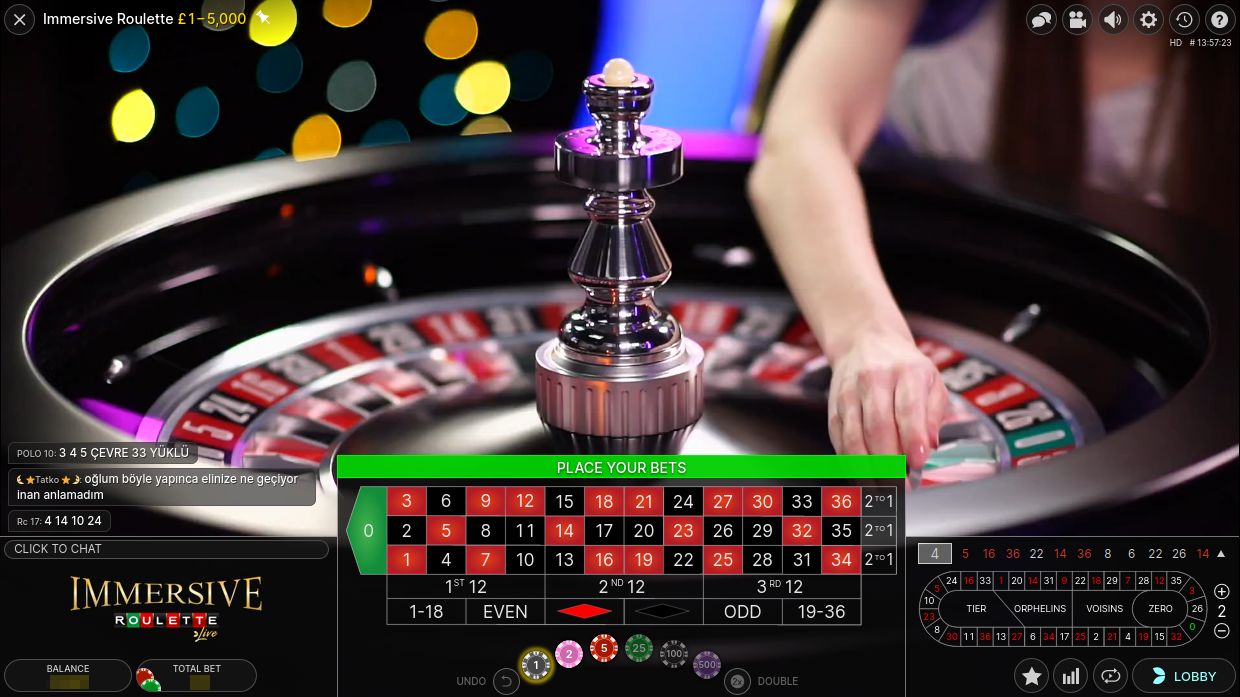
Live dealer roulette streams a real wheel from a studio or casino floor. Immersive versions add multiple camera angles, slow-motion replays, statistics panels, and visual overlays. These features improve presentation, but they do not make past results predictive. If a table displays hot and cold numbers, remember that the next fair spin remains independent.
Provably Fair and RNG Roulette
Online roulette may use either live physical wheels or random number generator software. Licensed RNG roulette is tested by independent labs to confirm fair randomness. Some crypto-based casinos also provide provably fair systems, allowing players to verify outcomes with cryptographic methods. This adds transparency, but the payout math and house edge still matter most.
When comparing variants, use this roulette strategy winning probability beginner guide as a checklist: What is the wheel type? What is the house edge? Are payouts standard? Are bonus multipliers funded by lower base payouts? Is the operator licensed? These questions matter more than flashy graphics.
RTP/Volatility: Understanding the Real Winning Probability
RTP means return to player. It describes the theoretical percentage returned to players over a very large number of wagers. European roulette has an RTP of 97.30%, while American roulette has an RTP of 94.74%. French roulette with La Partage can improve even-money bet RTP to 98.65%. This roulette strategy winning probability beginner guide emphasizes that RTP is long-term math, not a prediction for your next spin.
Probability by Common Bet Type
- Straight-up bet on European roulette: 1/37, about 2.70% chance to win.
- Split bet: 2/37, about 5.41% chance to win.
- Street bet: 3/37, about 8.11% chance to win.
- Corner bet: 4/37, about 10.81% chance to win.
- Six-line bet: 6/37, about 16.22% chance to win.
- Dozen or column: 12/37, about 32.43% chance to win.
- Even-money bet: 18/37, about 48.65% chance to win.
These numbers are the heart of any roulette strategy winning probability beginner guide. Notice that higher payout bets win less often, while lower payout bets win more often. The house edge remains embedded because payouts are slightly lower than true odds would require.
Volatility Explained
Volatility describes how sharply your bankroll may rise and fall. Straight-up number betting is high volatility because most spins lose, but occasional hits are large. Even-money betting is lower volatility because wins arrive more frequently, but profits grow slowly and the zero still creates a disadvantage.
A beginner who wants longer playing time should choose low to medium volatility. That usually means even-money bets, dozens, columns, or small mixed bet structures. A player seeking occasional big wins may add inside bets, but should reduce stake size accordingly. The best roulette strategy winning probability beginner guide balances excitement with survival.
Beginner Strategies: What Works and What Does Not
Roulette systems are popular because they feel logical. However, no betting progression changes the odds of the next spin. A roulette strategy winning probability beginner guide can explain these systems, but it must also warn that they manage bet sizing rather than create a mathematical edge.
Flat Betting
Flat betting means wagering the same amount each spin. It is the cleanest beginner approach because it slows losses, simplifies tracking, and removes emotional escalation. If your unit is $1, you bet $1 each time. If your unit is $5, you bet $5 each time. Flat betting pairs well with European roulette and strict session limits.
Martingale
The Martingale doubles the stake after every loss on an even-money bet. The goal is to recover previous losses and win one unit when a win finally arrives. The danger is that losing streaks grow the next required bet very quickly. Table limits and finite bankrolls make the system risky. A serious roulette strategy winning probability beginner guide does not recommend Martingale as a safe plan.
Fibonacci and D’Alembert
Fibonacci uses a number sequence where bets rise after losses and step back after wins. D’Alembert increases by one unit after a loss and decreases by one unit after a win. Both are gentler than Martingale, but neither removes the house edge. They may help players follow a structure, yet flat betting is usually easier and safer for beginners.
Bankroll Rules for New Players
Set a budget you can afford to lose. Divide it into small units. Avoid increasing stakes because you feel frustrated. Take breaks after fast losses or fast wins. Use responsible gaming tools such as deposit limits, time reminders, cool-off periods, and self-exclusion where needed. This roulette strategy winning probability beginner guide supports a responsible gambling mindset: the best result is controlled entertainment, not desperate recovery.
Common Beginner Mistakes
Many new players make the same errors. They choose American roulette because it is available first. They bet too large too soon. They believe red must follow black after a streak. They chase losses with bigger bets. They misunderstand 35:1 payouts as generous without considering the true 36-to-1 odds against hitting one number on a European wheel.
Another mistake is confusing short-term luck with skill. Winning ten spins in a row does not prove a system works, just as losing ten spins does not mean the wheel is rigged. A balanced roulette strategy winning probability beginner guide keeps both wins and losses in perspective.
FAQ
Q: What is the best roulette bet for beginners?
Q: Can a roulette strategy guarantee profit?
Q: Why is European roulette better than American roulette?
Q: Are hot and cold numbers useful?
Q: What bankroll size should a beginner use?
Final Verdict
The smartest roulette strategy winning probability beginner guide is not about magical patterns or guaranteed systems. It is about knowing the wheel, choosing lower-edge versions, understanding probability, controlling volatility, and respecting bankroll limits. European and French roulette give beginners the fairest standard conditions, while American roulette should generally be avoided because of its higher house edge.
If you remember one lesson from this roulette strategy winning probability beginner guide, make it this: roulette is a game of chance with fixed mathematical rules. Your edge comes from informed decisions around game selection, stake size, and discipline, not from predicting the next number. Play slowly, set limits, enjoy the suspense, and treat every spin as entertainment.













One response to “roulette strategy winning probability beginner guide”
Editorial Review: This guide has been reviewed by the editorial team for clarity, practical value, mobile usability, payment safety, and safer decision-making.